
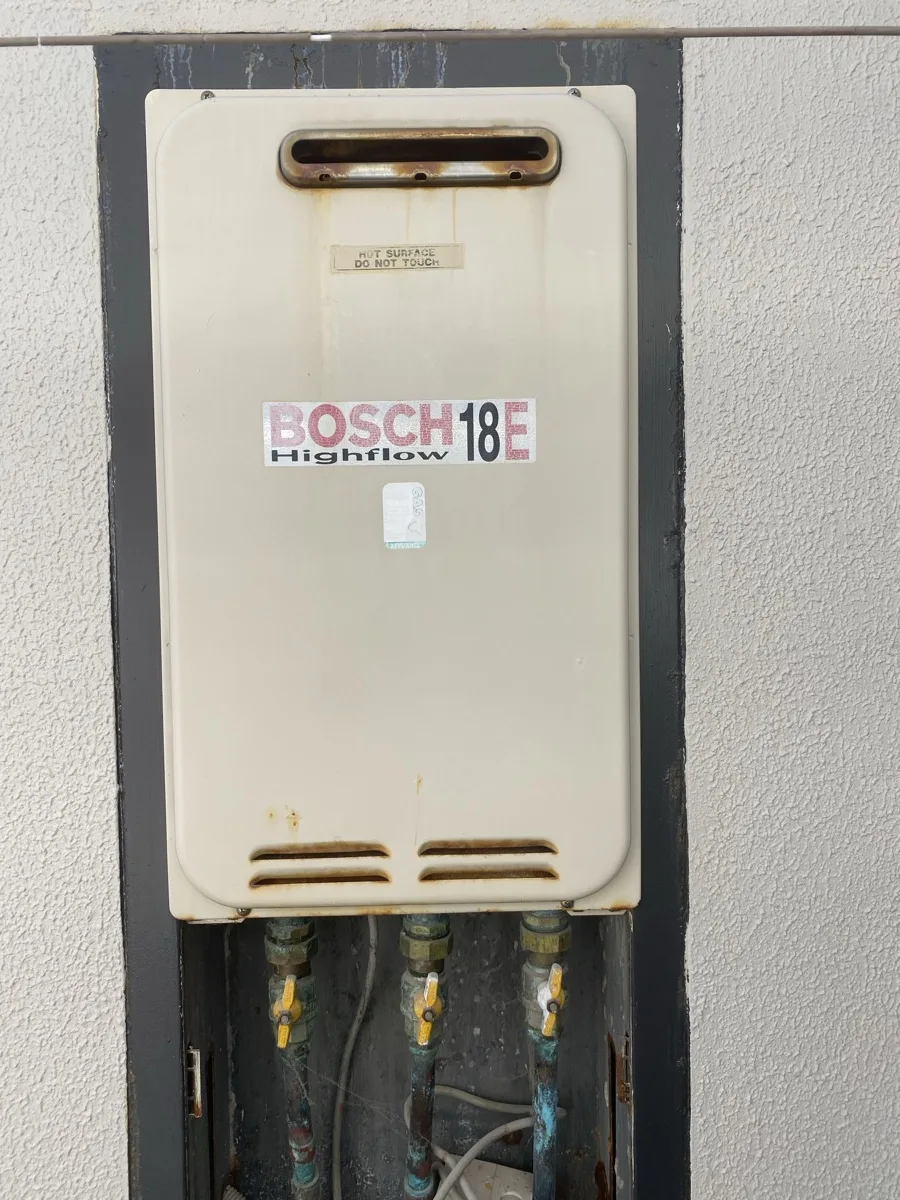
Waking up to no hot water is never fun, especially in winter. But before you panic or call a plumber, there are several things you can check yourself. Many "no hot water" situations have simple causes that don't require professional service.
Here's your systematic troubleshooting guide, organized by system type.
Electric Storage Systems
Check the Circuit Breaker
From a safe, dry location, note whether the labelled hot water breaker or safety switch has tripped. Do not open the switchboard or heater covers. Repeated tripping, burning, sparking or water near electrical equipment requires professional attention; leave the system off.
Check for Off-Peak Timing
If the system uses controlled load, confirm its actual supply hours with the retailer. Timing is not necessarily overnight only, and the tank’s capacity must suit demand between supply periods.
Check the Safety Switch
Safety switches (RCD) protect against electrical faults and can trip if there's a problem with the heating element. Look for any switches labeled "safety" or showing a test button that are in the "off" position.
Gas Systems (Storage and Continuous Flow)
Check the Gas Supply
If gas hot water stops, note any visible error code and whether there is a known supply outage. Do not turn gas on, test another flame or attempt a relight if you smell gas. Isolate the meter only if safe to approach, move away and call 0448 581 325 from a safe place.
Check the Pilot Light (Storage Systems)
Some gas storage units use a pilot light; ignition arrangements vary by model. Do not attempt a relight when the cause of failure is unknown or gas is suspected. Refer to the exact user manual and arrange qualified assistance.
Check for Error Codes (Continuous Flow)
Gas continuous flow systems have digital displays that show error codes when something's wrong. Common codes include issues with gas pressure, water flow, or component failures. Write down any error code — it helps a plumber diagnose the problem faster.
All System Types
Check the Tempering Valve
The tempering valve (usually located near the hot water tank) mixes hot and cold water to prevent scalding. If it's malfunctioning, you might get cold water even though the system is heating properly. Try running hot water from multiple taps to see if the problem is localized or system-wide.
Check for Visible Leaks
Look around the hot water system for pooling water, dripping pipes, or obvious leaks. A significant leak can prevent the system from maintaining pressure and temperature.
When to Call a Plumber Immediately
- Gas smell: shut off the meter only if safe to approach, avoid switches/flames, move away and call 0448 581 325 from a safe place
- There's flooding or significant water leakage from the system
- You see visible damage to the tank (bulging, severe corrosion, or cracks)
- The system is making loud, unusual noises (banging, screeching, or rumbling)
- You remain without hot water or are unsure whether the appliance is safe; contact us rather than waiting through a suspected hazard
Other Signs That Need Professional Attention
- Rusty or discolored hot water from multiple taps
- Hot water that runs out much faster than normal
- Water temperature that fluctuates wildly
- Rising energy bills without increased usage
These symptoms often indicate internal component failures, scaling, or tank deterioration that require professional assessment and repair.
Gas Emergency Situations
If you smell gas, avoid switches, flames and relighting attempts. Shut off gas at the meter only if it is safe to approach. Move away and call 0448 581 325 from a safe location; do not wait for a web response.
Keep clear of the affected area and leave the appliance off until it has been assessed and made safe by an appropriately qualified professional.
Still no hot water after checking these basics? Call us on 0448 581 325 — we offer same-day service across the Northern Beaches and can usually diagnose the problem quickly.
Get Emergency ServiceSources & References
- NSW Fair Trading - Hot water system safety guidelines
- Energy Networks Australia - Electrical safety in homes
- Gas emergency procedures - Australian Gas Association
- AS/NZS 3500.4 - Hot water supply systems safety requirements