
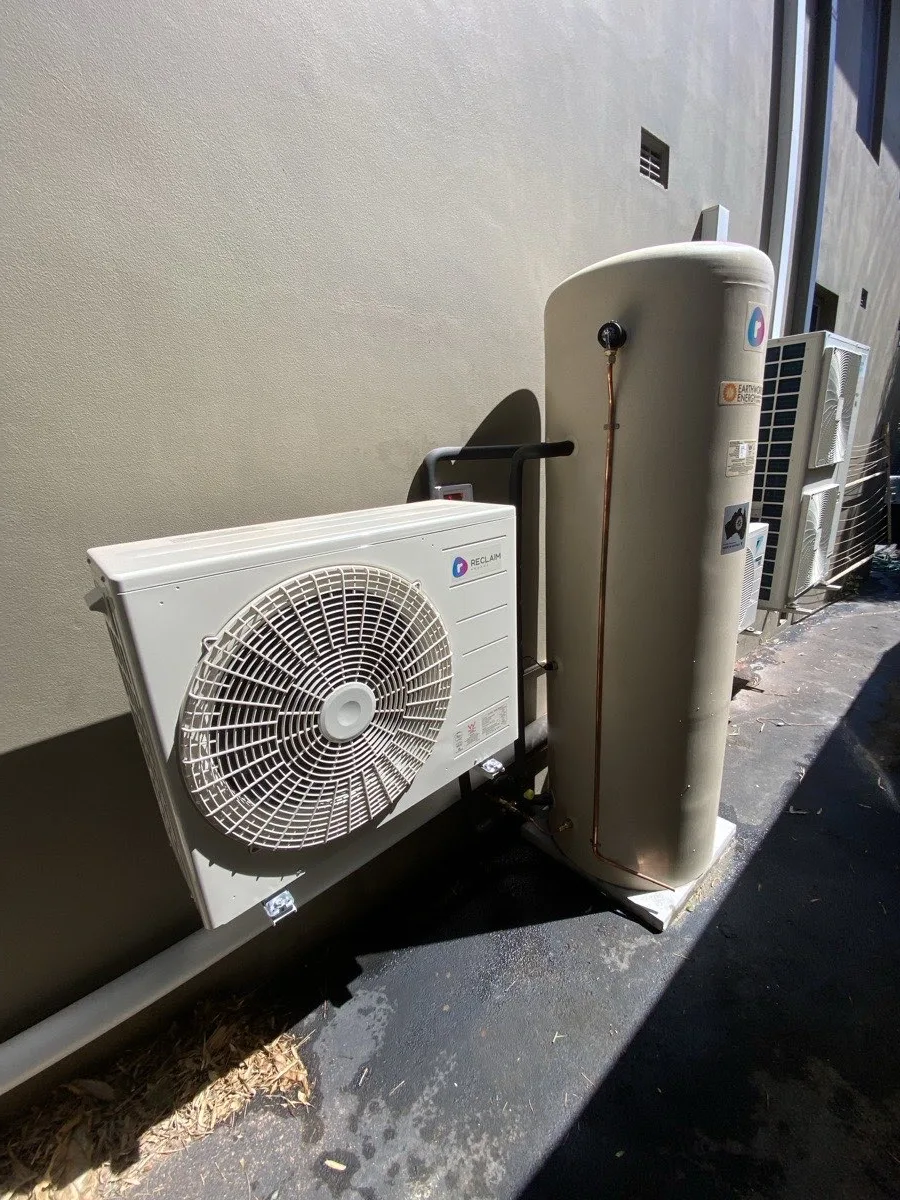
City of Sydney’s indoor gas controls for new residential development began in January 2026. Its published timetable extends to outdoor gas appliances, including water heaters in new residential buildings, from 1 January 2027. North Sydney’s separate DCP amendment discouraging gas in new residential development took effect on 1 July 2026. Neither is a blanket existing-home gas ban across NSW.
What's Actually Banned?
Check the adopted development controls for the property and application date. A policy for new residential development is not an instruction to remove a functioning gas appliance in an existing home, and it should not be described as applying to every new building or renovation.
However, this policy signals a clear direction: Australia is moving toward electrification of heating. More councils across NSW are exploring similar measures, and the Northern Beaches Council already has its own energy advisory service promoting heat pumps and offering information on rebates.
Why Are Councils Pushing Electrification?
Councils cite emissions, health and energy costs in their planning decisions. Household running costs and emissions still depend on the actual equipment, energy supply and usage; a policy headline is not a personalised savings calculation.
The Economics of Switching
Even without a ban, the economics of staying on gas are becoming questionable. Based on current energy prices for an average 3-4 person household on the Northern Beaches:
- Heat pump reference illustration: about $437/year for three people
- Gas reference illustration: about $1,094–$1,285/year for three people, with supply included once
- Closing the last gas account may avoid its ongoing supply charge; confirm disconnection arrangements and fees with the retailer
Those savings compound every year. With energy prices continuing to rise — and gas prices rising faster than electricity — the gap only widens.
Want to see exactly how much you could save by switching? Try our free Running Cost Calculator to compare your current system with a heat pump.
Open the Running Cost CalculatorGovernment Support for Switching
Federal STCs and the NSW Energy Savings Scheme may reduce upfront cost for eligible installations. Check the installed model, current activity rules and required paperwork; the schemes do not guarantee the same discount for every household.
Combined with the annual running cost savings, many households find a heat pump pays for itself within 3-5 years compared to staying on gas.
What Should You Do?
If your gas hot water system is working fine, there's no immediate need to switch. But when it does need replacement — whether due to age, failure, or just wanting to reduce your bills — seriously consider a heat pump rather than replacing like-for-like with another gas system.
Compare the installation options against your property, current bills and adopted local rules. An incentive is useful only when the equipment suits the home and the installation meets the scheme requirements.
As someone with 25 years of experience in hot water systems, I've seen technology shifts before. Heat pumps today are where gas continuous flow was 15 years ago — the new standard that's becoming mainstream because it simply works better and costs less to run.
Ready to explore your options? Call us on 0448 581 325 for a free on-site quote. We'll walk you through the numbers and help you plan the most cost-effective path forward.
Request a Free QuoteSources & References
- City of Sydney: All electric buildings get the green light (updated 29 October 2025), staged January 2026 and January 2027 controls; checked 10 September 2026
- Northern Beaches Council - Sustainable Living Program
- NSW Government - Energy Savings Scheme
- Clean Energy Regulator - Small-scale Renewable Energy Scheme
- Renew Economy - Australian gas ban coverage
- Running cost illustrations: calculator assumptions and AGL Ausgrid/Jemena reference tariffs checked 10 September 2026; see /running-costs